//
May 18, 2026
[
]
How to Increase Patient Flow in Dental Clinics
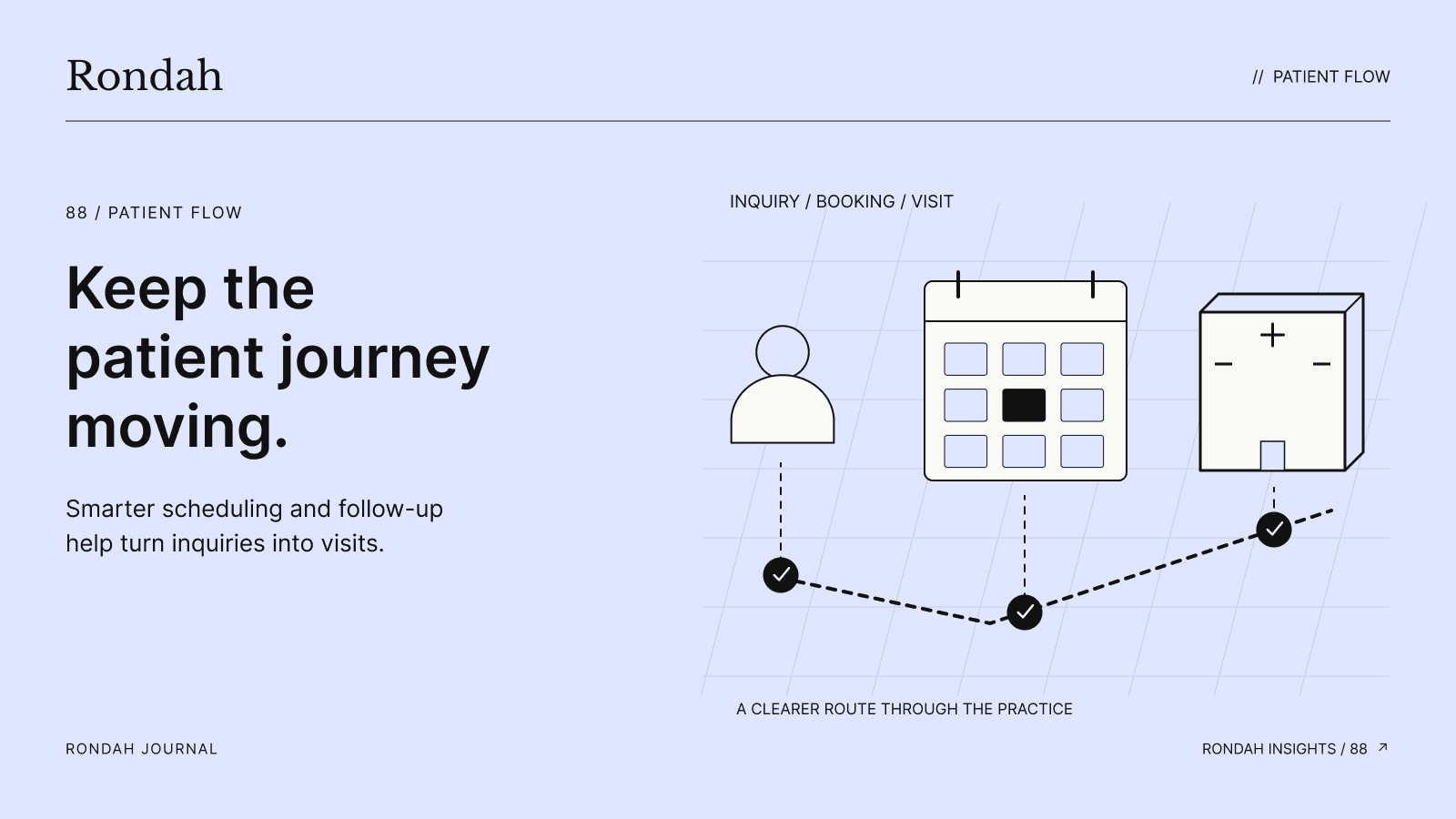
Have you ever felt like managing a dental practice involves more than just patient care? Between scheduling, phone calls, follow-ups, insurance coordination, and administrative work, it can quickly become overwhelming. Many dental teams find themselves stretched thin trying to keep everything running smoothly while still delivering a high-quality patient experience.
This growing pressure is exactly why artificial intelligence (AI) is becoming increasingly important in modern dental practices. AI is no longer just a buzzword or a future concept. It is a practical, accessible tool that helps practices improve efficiency, streamline workflows, and enhance communication with patients.
Rather than replacing staff, AI is designed to support dental teams by handling repetitive tasks and providing insights that make decision-making easier. From front desk operations to clinical support, AI is reshaping how dental practices operate in 2026. In this article, we will explore how to increase patient flow in dental clinics and how AI Dental Assistants are revolutionizing efficiency and enhancing patient communication.
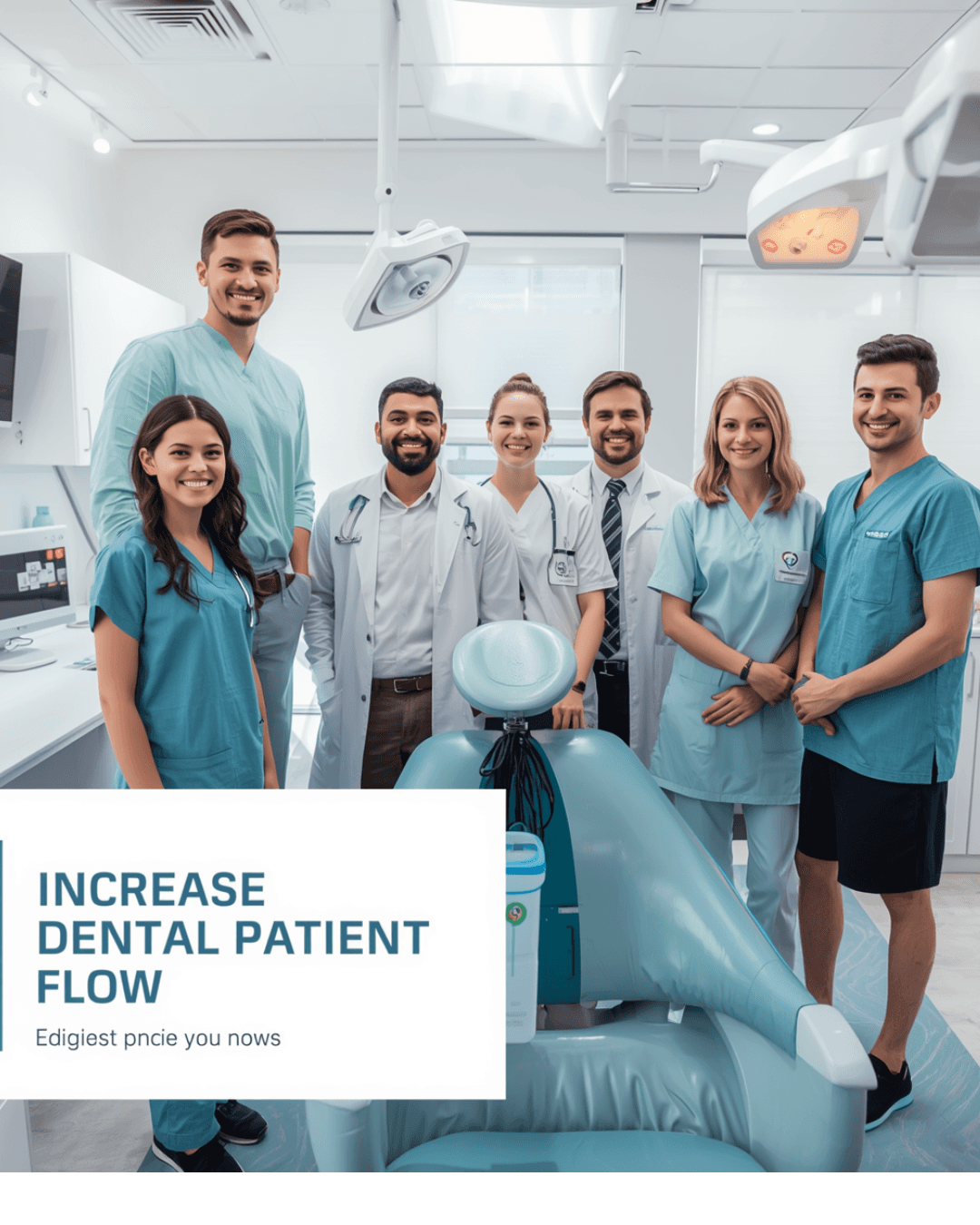
What AI Means for Modern Dental Practices
AI in dentistry refers to smart systems that can automate processes, analyze large amounts of data, and improve communication between practices and patients. These tools are built to work alongside dental professionals, not replace them.
In a typical practice, staff members juggle multiple responsibilities throughout the day. Answering phones, booking appointments, managing cancellations, and responding to patient inquiries all take time and attention. AI helps by taking over many of these routine tasks, allowing staff to focus on more meaningful interactions with patients.
What makes AI especially valuable is its ability to operate consistently and continuously. Unlike manual processes, AI systems can run 24/7, ensuring that patients receive timely responses and support even outside of regular office hours.
How AI Increases Patient Flow in Dental Clinics
One of the biggest advantages of AI in dental practices is its ability to handle repetitive administrative tasks. From scheduling to patient follow-ups, these systems streamline workflows in ways that many practices are already benefiting from. In fact, many clinics are now exploring how dental offices use AI to improve efficiency.

Automating Repetitive Administrative Tasks
AI can handle a wide range of administrative responsibilities, including dental appointment scheduling, reminders, patient intake, billing follow-ups, and data entry. These tasks, while essential, do not require constant human attention.
By automating them, practices can reduce errors, improve accuracy, and free up staff time. This allows team members to focus on patient care, in-office experiences, and more complex situations that require a human touch.
By reducing administrative bottlenecks, practices can handle more patient interactions throughout the day, directly contributing to increased patient flow.
Smarter Scheduling and Reduced No-Shows
Missed appointments are one of the biggest challenges for dental practices. They disrupt schedules, reduce productivity, and lead to lost revenue.
AI-powered scheduling systems help address this issue by optimizing appointment calendars and sending automated reminders through text, email, or voice. Some systems can even reschedule appointments automatically when patients cancel, helping fill gaps in real time.
Fewer no-shows and better calendar optimization mean more completed appointments, which is one of the most direct ways to increase patient flow.
Data-Driven Insights for Practice Growth
AI does more than just automate tasks. It also provides valuable insights into how a practice is performing. By tracking key metrics such as missed calls, cancellations, treatment acceptance rates, and patient engagement, AI helps identify areas for improvement.
For example, if a practice is missing a high number of incoming calls, AI can highlight this issue and suggest solutions, such as implementing automated call handling or follow-up systems. These insights allow practice owners to make informed decisions that support long-term growth.
By identifying missed calls and lost opportunities, practices can capture more patients who would have otherwise been overlooked, increasing overall patient volume.
AI in Clinical Support and Decision-Making
While much of the focus on AI is related to administration, its role in clinical support is equally important. AI-powered tools are helping dentists work more efficiently and with greater confidence.
Faster and More Accurate Diagnostics
AI can analyze dental images and X-rays to detect potential issues such as cavities, bone loss, and other abnormalities. These systems are designed to assist dentists by highlighting areas that may require closer attention.
This added layer of analysis can improve diagnostic accuracy and help ensure that issues are identified early. Early detection not only improves patient outcomes but also builds trust, as patients feel confident that nothing is being overlooked.
Improved Treatment Planning
AI also supports treatment planning by organizing patient data and presenting it in a clear, structured way. Instead of manually reviewing multiple sources of information, dentists can rely on AI to highlight key findings and patterns.
This does not replace clinical judgment. Instead, it enhances it by providing additional context and clarity, enabling dentists to make more informed, patient-specific decisions.
The Evolution of AI Patient Communication
Patient communication is one of the areas where AI has made the most noticeable impact. In the past, communication relied heavily on phone calls and manual follow-ups. Today, AI systems offer a more flexible and responsive approach.
From Basic Automation to Intelligent Conversations
Early automation tools were limited to simple tasks like sending appointment reminders. Modern AI systems go much further. They can manage multi-step conversations, respond to common questions, and guide patients through processes such as booking or rescheduling appointments.
These systems can understand context, making interactions feel more natural and less robotic.
24/7 Accessibility for Patients
Patients today expect convenience. They want to be able to book appointments, ask questions, and receive support without being restricted by office hours.
AI makes this possible by providing 24/7 communication through text messaging, live chat, and voice assistants. Whether a patient wants to confirm an appointment late at night or ask about services on the weekend, AI ensures they can get the information they need.
Emotionally Intelligent AI
A newer development in AI communication is the ability to recognize and respond to patient emotions. Some systems can detect frustration, urgency, or anxiety based on how a patient communicates.
For example, if a patient seems concerned about a procedure, the AI can adjust its tone to be more reassuring or escalate the conversation to a staff member. This creates a more personalized experience while still benefiting from automation.
Enhancing Patient Experience and Trust
AI does not just improve efficiency. It also plays a key role in enhancing the patient experience. Clear communication, timely responses, and easy scheduling all contribute to a smoother and more positive interaction with a dental practice.
Visual tools powered by AI can also help patients better understand their oral health. When patients can clearly see what is happening through annotated X-rays or visual explanations, they are more likely to trust the diagnosis and move forward with treatment.
This level of transparency builds stronger relationships between patients and providers, which is essential for long-term success.
Reducing Burnout and Supporting Dental Teams
Dental teams often face high levels of stress due to the constant demands of managing both patient care and administrative responsibilities. Over time, this can lead to burnout and reduced job satisfaction.
AI helps address this challenge by removing many of the repetitive and time-consuming tasks that contribute to stress. With fewer manual processes to manage, staff can focus on providing better care and building stronger patient relationships.
Think of AI as an additional team member that works in the background, ensuring everything runs smoothly. This support leads to a more balanced workload and a healthier work environment.

The Future of AI in Dentistry
As AI continues to evolve, more practices are exploring advanced solutions that go beyond basic automation and into full front-desk support. For example, many are now evaluating whether a dental AI receptionist is worth the investment, especially as patient expectations for speed and accessibility continue to grow.
The future of dentistry is not about replacing human interaction. It is about enhancing it. AI allows dental professionals to spend more time focusing on what truly matters: delivering high-quality care and building meaningful connections with patients.
Conclusion
AI is transforming dental practices by improving efficiency, enhancing communication, and supporting better patient care. From automating administrative tasks to assisting with clinical decisions, AI is helping practices operate more smoothly and effectively.
As patient expectations continue to grow, adopting AI is becoming less of an option and more of a necessity. Practices that embrace these tools can create a more seamless experience for both patients and staff while positioning themselves for long-term success.
If you are looking to bring the benefits of AI into your dental practice, now is the time to take the next step. Book a demo with Rondah AI today to learn how our advanced dental AI solutions can help you streamline operations, improve patient communication, and grow your practice with confidence.
Follow us on LinkedIn for more insights, or explore related articles below:






©2026 Sundown Technologies Inc.