//
May 18, 2026
[
]
How to Have a Successful Dental Practice Without Burning Out
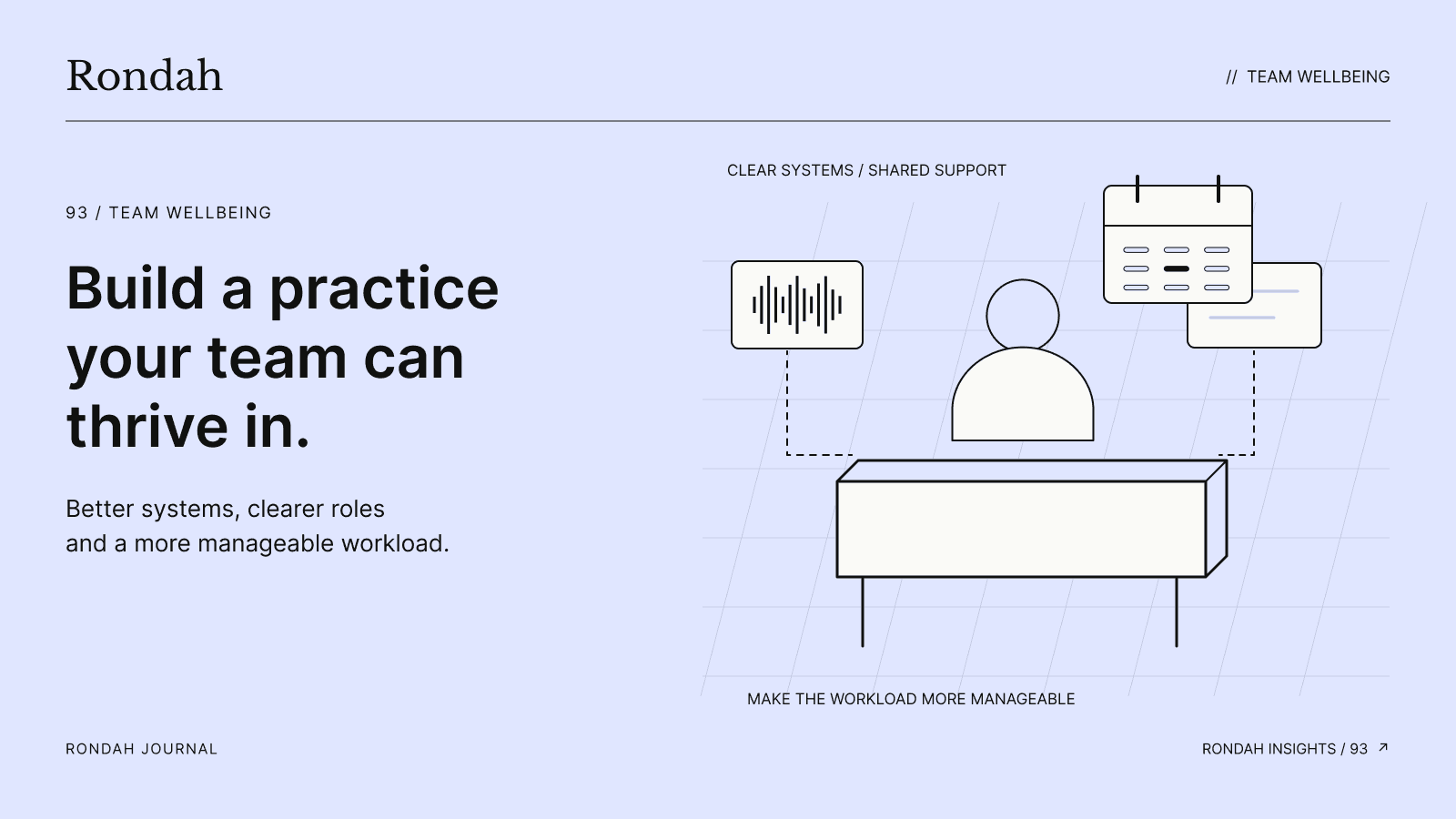
Running a dental clinic today is more demanding than ever. Between managing patient expectations, maintaining steady growth, and handling administrative tasks, operations can quickly become overwhelming. At the center of all this activity is your front desk team.
They are responsible for answering calls, booking appointments, managing patient communication, and maintaining the schedule. When systems are inefficient or demand exceeds capacity, the front desk becomes the bottleneck. Over time, this leads to stress, mistakes, and burnout.
If you are wondering how to have a successful dental practice, the answer is not simply increasing patient volume. It is about building systems that allow your practice to grow without overloading your team.

What Makes a Dental Practice Successful?
A successful dental practice is built on more than just revenue. While financial performance is important, long-term success depends on operational stability, patient satisfaction, and team well-being.
Strong practices typically focus on:
Consistent patient experience
Efficient scheduling and workflows
Clear communication systems
Staff retention and satisfaction
Scalable processes
When these elements are in place, growth becomes sustainable. Without them, practices often rely on staff working harder to compensate for inefficiencies, which leads directly to burnout.
Why Front Desk Burnout Happens in Dental Practices
Front desk burnout is one of the most common issues in dental offices, and it is often overlooked until it begins affecting performance.
The front desk handles:
High call volumes throughout the day
Appointment scheduling and changes
Insurance coordination
Patient follow-ups
Walk-in inquiries and interruptions
The real challenge is multitasking under constant pressure. A team member might be booking an appointment while answering a phone call, checking insurance, and responding to a patient at the desk all at once.
Without structured systems or support, this workload becomes unsustainable. Missed calls increase, scheduling errors happen more frequently, and patient satisfaction begins to decline.
Focus on Efficiency Before Expansion
One of the biggest mistakes dental practices make is trying to grow before optimizing their operations.
Adding more patients without improving workflows only increases pressure on your front desk team. Instead, successful practices focus on efficiency first.
This includes:
Organizing appointment types more effectively
Reducing double bookings
Streamlining patient intake
Automating repetitive tasks
For example, implementing smarter scheduling systems can significantly reduce manual workload. Tools like dental appointment scheduling help practices manage bookings more efficiently, reducing the need for constant manual coordination.
When efficiency improves, your team can handle growth without feeling overwhelmed.
Create Clear Systems and Office Policies
A major cause of stress in dental offices is the lack of standardized processes. When every situation is handled differently, staff are forced to make constant decisions under pressure.
Clear systems remove that burden.
Successful practices standardize:
Appointment booking protocols
Insurance verification processes
Patient communication workflows
Billing and follow-ups
When staff know exactly how to handle each task, they work faster and with more confidence. This reduces errors and eliminates unnecessary stress.
Invest in Staff Training and Cross-Training
Even with strong systems in place, your team needs the right training to succeed.
Ongoing training helps staff:
Handle patient interactions more effectively
Use technology efficiently
Manage time and prioritize tasks
Adapt to new systems and tools
Cross-training is especially valuable. When multiple team members understand front desk responsibilities, the workload can be shared during busy periods. This prevents one person from becoming overwhelmed and improves overall flexibility.
Use AI and Automation to Reduce Front Desk Workload
One of the most effective ways to prevent burnout is by reducing manual workload. This is where AI and automation play a major role.
Modern dental practices are increasingly using tools like automated front desk systems to handle repetitive administrative tasks.
These systems can:
Answer calls automatically
Schedule appointments in real time
Send reminders and confirmations
Manage patient communication
For example, an AI-powered system like Rondah AI can handle high call volumes without overwhelming your staff. This ensures that no patient inquiry is missed, even during peak hours.
Research shows that AI tools can significantly reduce administrative burden and improve efficiency in dental practices.
The goal is not to replace your front desk team, but to support them. By automating repetitive tasks, your staff can focus on providing a better patient experience.
Improve Patient Flow to Reduce Daily Stress
Poor patient flow is another major contributor to front desk burnout.
When schedules are disorganized, delays start to build. Patients arrive at the same time, appointments run late, and the front desk is forced to manage frustrated patients.
Improving patient flow involves:
Spacing appointments appropriately
Grouping similar procedures
Preparing ahead for each visit
Reducing wait times
Efficient patient flow creates a smoother experience for both patients and staff. It reduces stress, increases satisfaction, and helps the team stay in control throughout the day.
Build a Positive and Supportive Workplace Culture
Even with strong systems and technology, workplace culture plays a critical role in preventing burnout.
A supportive environment includes:
Open communication
Respectful leadership
Realistic expectations
Recognition of effort
When employees feel valued, they are more engaged and less likely to experience burnout.
Leadership also plays a key role here. Practice owners and managers must recognize when workloads become too high and take proactive steps to address them.

Track KPIs and Monitor Operational Performance
Successful practices do not wait for problems to appear. They track performance metrics and identify issues early.
Important KPIs include:
Missed call rates
Appointment cancellations
Patient retention
Front desk workload
Scheduling efficiency
For example, if missed calls are increasing, it may indicate that your team is overwhelmed. Implementing solutions like dental office answering systems can help manage call volume more effectively.
By monitoring these metrics, you can make informed decisions and prevent burnout before it starts.
What Is the 2 Year Rule for Dentists?
The 2 year rule in dentistry often refers to timelines related to associate agreements, patient retention, or practice growth expectations.
From an operational perspective, it highlights the importance of building stable systems early. Practices that fail to establish efficient workflows within the first couple of years often struggle with long-term growth.
What Is the Rule of 7 in Dentistry?
The rule of 7 is a marketing principle that suggests patients need multiple touchpoints before taking action.
In a dental setting, this might include:
Phone calls
Emails
Text reminders
Follow-ups
Using dental patient communication systems ensures consistent, timely communication, thereby improving patient engagement and conversion rates.
How Can Dental Practices Reduce Front Desk Burnout?
Reducing burnout requires a combination of strategies:
Implementing automation
Improving scheduling systems
Training staff effectively
Monitoring workload
Creating clear processes
Practices that take a proactive approach to these areas are far more likely to maintain a healthy and productive team.
How Do You Improve Efficiency in a Dental Practice?
Improving efficiency comes down to eliminating unnecessary manual work and optimizing workflows.
This can be achieved through:
Automation tools
Standardized procedures
Better scheduling
Staff training
Investing in solutions such as Rondah AI training resources can help teams adapt quickly and maximize the benefits of new technology.
Conclusion
Building a successful dental practice is not about pushing your team harder. It is about creating systems that allow your practice to run smoothly and grow sustainably.
When you focus on efficiency, automation, and team support, you create an environment where both patients and staff can thrive.
Burnout is not a sign of hard work. It is a sign of broken systems. Fix the systems, and success will follow.
Ready to Transform Your Dental Practice?
If you are looking to reduce front desk workload, improve patient communication, and scale your practice without burnout, it may be time to explore smarter solutions.
This allows staff to focus on providing better service, thereby improving both the patient experience and conversion rates.
Learn more or get started by booking a demo with Rondah AI.
Follow us on LinkedIn for more insights, or explore related articles below:






©2026 Sundown Technologies Inc.