//
May 18, 2026
[
]
How Long Do Dental Appointments Take

One of the most common questions patients have before visiting the dentist is simple: how long will this take? Whether it’s a routine cleaning or a more complex procedure, understanding the timing of a dental appointment helps patients plan their day and feel more prepared.
If you have ever asked yourself how long do dental appointments take, the answer depends on several factors, including the type of visit, your oral health, and how efficiently the clinic manages its schedule.
Modern dental practices are also using AI and advanced scheduling systems to reduce wait times, improve efficiency, and create a smoother experience for both patients and staff.

Dental appointment times can vary depending on the type of visit. Routine cleanings are typically the quickest, while more complex procedures may take longer or require multiple visits.
For most patients, a standard cleaning usually takes between 30 and 60 minutes. New patient appointments tend to be longer, often ranging from 60 to 90 minutes, since they include a full examination, medical history review, and sometimes X-rays.
Procedures such as fillings can take anywhere from 30 minutes to an hour, while more involved treatments like root canals or crowns may require multiple appointments or extended time in the chair.
What Happens During a Routine Dental Appointment?
A routine dental appointment follows a structured process designed to maintain oral health and catch issues early.
Patients typically begin with a check-in process, followed by X-rays if needed. A dental hygienist will then perform a cleaning, removing plaque and tartar buildup. After the cleaning, the dentist conducts an examination to check for cavities, gum disease, or other concerns.
This process ensures that potential problems are identified early, reducing the need for more complex treatments later.
Why Some Dental Appointments Take Longer Than Others
Not all dental visits are the same, and several factors can influence how long an appointment takes.
Patients with significant plaque buildup or gum inflammation may require additional time for cleaning. New patients often need more comprehensive exams, which can extend the visit. In some cases, unexpected findings during an exam may require additional procedures or follow-ups.
The level of care needed is always personalized, which is why appointment times can vary from one patient to another.
How Long Does a Dental Cleaning Take?
For most patients, a dental cleaning takes between 30 and 60 minutes. However, the exact timing depends on the condition of the teeth and gums.
Patients with good oral hygiene may have shorter appointments, while those requiring deep cleaning or periodontal treatment may need more time. First-time visits can also take longer due to additional assessments and diagnostics.
What Patients Should Expect During Their Visit
Understanding what happens during a dental appointment can make the experience more comfortable and predictable.
Patients can expect to complete any necessary paperwork, undergo an examination, and receive a cleaning or treatment based on their needs. Dentists and hygienists will also discuss findings and recommend any additional care if necessary.
Clear communication is a key part of the process, helping patients feel informed and confident about their treatment.
Why Efficient Scheduling Matters in Dental Clinics
Scheduling plays a major role in the overall patient experience. When appointments are managed efficiently, patients spend less time waiting and more time receiving care.
Poor scheduling can lead to delays, overcrowded waiting rooms, and increased stress for both staff and patients. Over time, this can affect patient satisfaction and clinic productivity.
Efficient scheduling ensures that each appointment runs smoothly and that patients receive timely care.

How Clinics Optimize Scheduling With AI
Many modern clinics are turning to AI to improve scheduling efficiency. Instead of relying entirely on manual booking, AI systems help organize appointments to minimize gaps and reduce conflicts.
Tools like dental appointment scheduling allow clinics to automate bookings, confirmations, and reminders. This reduces administrative workload and helps ensure that schedules remain organized.
By optimizing appointment scheduling, clinics can provide a better experience for both patients and staff.
How AI Helps Reduce Patient Wait Times
Long wait times are one of the most common frustrations for patients. These delays are often caused by scheduling inefficiencies or unexpected changes during the day.
AI helps reduce wait times by improving appointment spacing and adjusting schedules in real time. By analyzing patterns and optimizing workflows, AI ensures that patients are seen more promptly.
This leads to a smoother experience and increases overall patient satisfaction.
Can AI Help Clinics Handle Last-Minute Cancellations?
Cancellations are unavoidable in any dental practice, but they can create scheduling gaps that reduce efficiency.
AI systems can quickly identify these openings and fill them by notifying patients who are available or due for appointments. This helps clinics maintain a full schedule and reduces lost time.
By proactively handling cancellations, clinics can keep operations running smoothly.
Why Front Desk Teams Struggle With Scheduling Overload
Front desk staff are responsible for managing calls, bookings, rescheduling, and patient communication. When all of this is handled manually, it can quickly become overwhelming.
This often leads to delays, errors, and missed opportunities. AI solutions like automated front desk systems help reduce this burden by automating repetitive tasks.
This allows staff to focus on providing better service rather than managing constant administrative demands.
How Better Scheduling Improves Patient Experience
When scheduling is handled efficiently, patients benefit from shorter wait times and more organized visits. They can easily book appointments and receive timely reminders, reducing confusion and missed visits.
A well-managed schedule creates a more relaxed environment for both patients and staff, leading to a more positive overall experience.
What Are Patients Looking for in Modern Dental Scheduling?
Today’s patients expect convenience and flexibility when booking appointments. They want quick responses, easy scheduling options, and minimal wait times.
Clinics that provide these features are more likely to retain patients and build long-term relationships. Meeting these expectations is essential in a competitive dental landscape.
Can AI Improve Dental Office Efficiency?
AI significantly improves efficiency by reducing manual tasks and streamlining workflows. With automated systems in place, clinics can manage appointments more accurately and handle larger patient volumes.
Platforms like Rondah AI allow practices to scale operations while maintaining consistent performance.
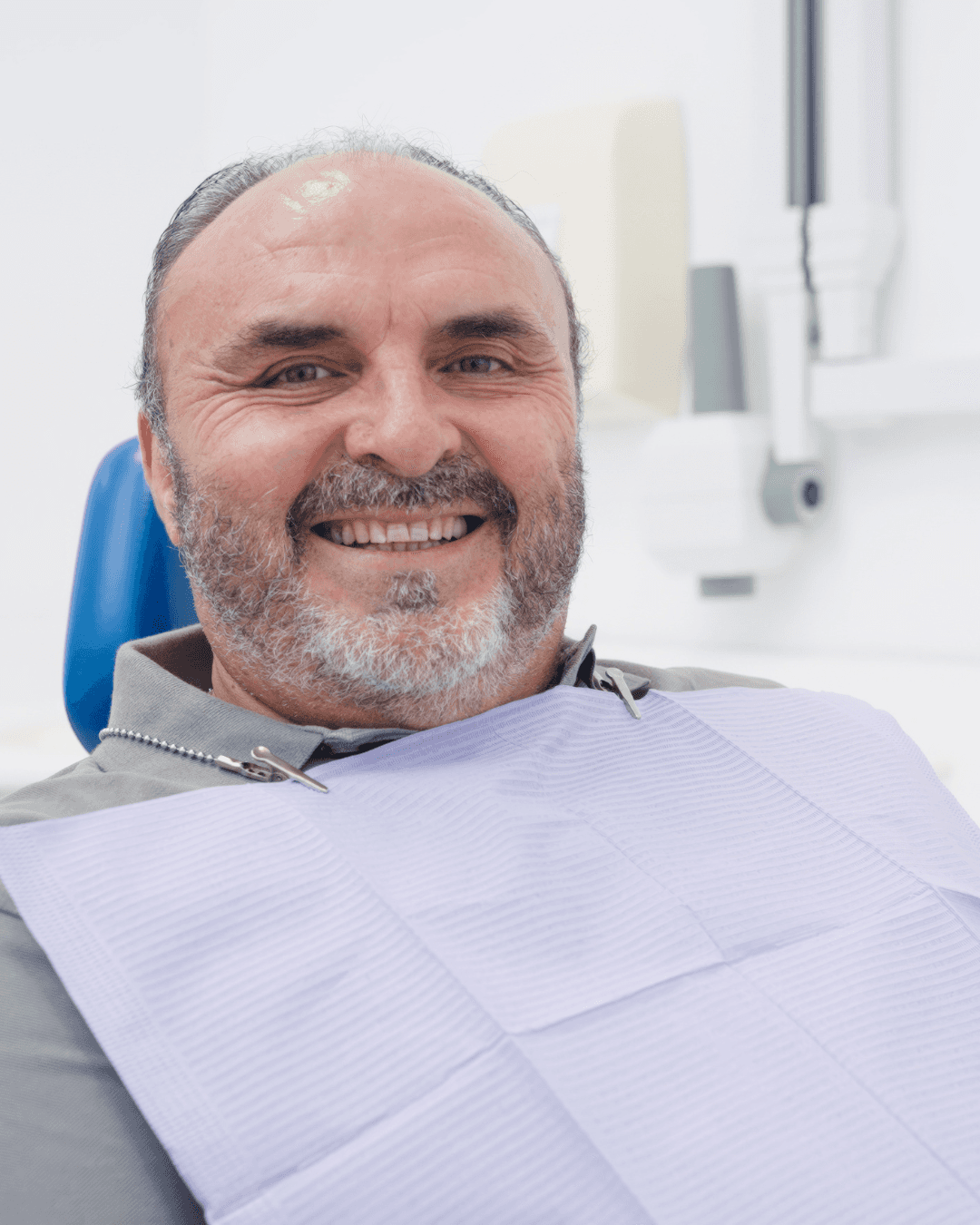
How Long Should Patients Arrive Before Dental Appointments?
Patients are typically advised to arrive 10 to 15 minutes early for their appointment. This allows time for check-in and any necessary paperwork.
New patients may need to arrive earlier to complete forms and provide medical history information. Arriving on time helps clinics stay on schedule and ensures a smooth experience for everyone.
What Happens if a Dental Appointment Runs Longer Than Expected?
Occasionally, dental appointments may take longer than planned. This can happen due to unexpected findings, complex procedures, or emergency cases.
Clinics work to minimize these delays, but flexibility is sometimes necessary to ensure that all patients receive proper care.
How Technology Is Changing Dental Scheduling
Technology is transforming how dental clinics manage appointments. Online booking systems, automated reminders, and AI scheduling tools are becoming standard in modern practices.
These tools improve accessibility, reduce administrative workload, and streamline workflows. Patients benefit from faster service, while clinics operate more smoothly.
Can AI Replace Human Scheduling Staff?
AI is designed to support, not replace, human staff. While it handles routine tasks, staff remain essential for managing complex scheduling situations and maintaining patient relationships.
The combination of AI and human expertise creates a more effective and patient-focused system.
Conclusion
So, how long do dental appointments take? The answer depends on the type of visit, the patient’s needs, and how efficiently the clinic manages its schedule.
If you are still wondering how long do dental appointments take, it is important to remember that while timelines vary, modern scheduling systems help ensure that appointments run as smoothly as possible.
By using AI to optimize scheduling, clinics can reduce wait times, improve efficiency, and create a better experience for patients.
Ready to Improve Your Dental Scheduling?
If you want to reduce wait times, improve efficiency, and create a better patient experience, it may be time to upgrade your scheduling system.
Learn more or get started by booking a demo with Rondah AI.
Follow us on LinkedIn for more insights, or explore related articles below:






©2026 Sundown Technologies Inc.