//
May 12, 2026
[
]
Training Your Dental Staff to Use AI Communication Tools
Have you ever introduced a new system in your dental office and noticed your team hesitate, unsure how to use it or even where to begin?
We see this happen often in practices across the United States. You invest in new tools to improve efficiency, especially AI communication systems, but your front desk team feels overwhelmed. They are already managing calls, patients, and schedules, and now they are expected to learn something new on top of everything else. It can feel like too much at once. That is exactly why AI Dental Receptionist Training is so important. When done right, training does not just teach your staff how to use a tool. It helps them feel confident, supported, and ready to work with technology rather than fear it.
How Do You Train Dental Staff to Use AI Communication Tools?
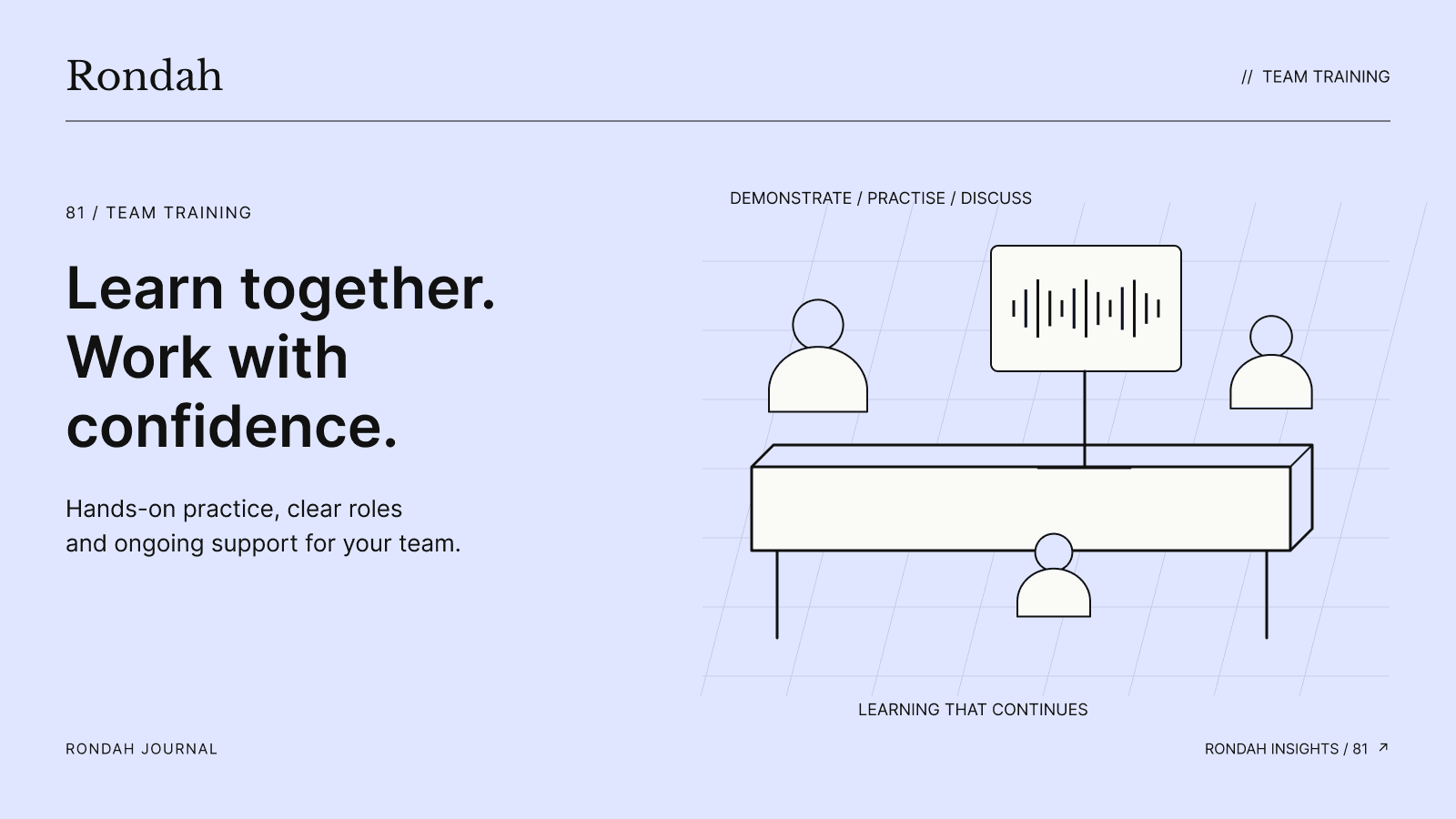
Training dental staff to use AI communication tools starts with simplifying the process and building confidence. With proper AI Dental Receptionist Training, teams learn how AI supports their daily tasks rather than replacing them. The process typically begins with introducing the system's purpose, followed by clear, simple demonstrations of how it works. Hands-on practice allows staff to interact with the tools in real-world scenarios, reducing confusion and building familiarity. Ongoing support and open communication are essential, giving team members a space to ask questions and adjust at their own pace. This approach helps reduce errors, improve efficiency, and create a smoother workflow. When staff understand how AI fits into their role, they are more confident, more productive, and better able to deliver a positive patient experience.
Why Dental Staff Often Struggle with AI Tools
Adopting new technology in a dental office is not always as simple as turning on a system. Even when AI is designed to make work easier, the transition can feel challenging for many team members. Understanding these struggles is the first step toward making adoption smoother and more successful.
Fear of change. Many dental staff have developed routines that work for them. When AI is introduced, it changes how tasks are handled, may require learning new steps, and creates uncertainty about daily workflows. This fear is not about the technology itself, but about stepping into something unfamiliar. With the right support, this hesitation can turn into confidence.
Lack of familiarity. For teams that have never used AI tools before, even simple systems can feel complex at first. This can lead to hesitation, mistakes due to uncertainty, and avoidance of new processes. The issue is not the tool's difficulty, but the lack of exposure to it. Once staff begin using the system regularly, it becomes much easier to understand.
Concerns about job roles. Another common challenge is uncertainty about how AI will affect individual roles. Staff may wonder whether their responsibilities will change or whether they are being replaced. These concerns can create resistance if they are not addressed. In reality, AI is meant to support staff by handling repetitive tasks, allowing them to focus on more meaningful interactions with patients.
Feeling overwhelmed. Front desk teams already manage a wide range of responsibilities, including calls, scheduling, and in-person interactions. Adding a new system without proper guidance can increase stress levels, make tasks feel more complicated, and slow down productivity during the transition. Without structured support, even helpful tools can feel like an added burden.
These struggles are normal, but if left unaddressed, they can slow adoption and limit the benefits of AI. By recognizing these concerns early, you can better support your team and create a smoother transition.
What Is AI Dental Receptionist Training?
AI Dental Receptionist Training is a structured, supportive approach designed to help your team understand and use AI communication tools effectively in your dental practice. It is not just about teaching your staff how to use a system. It is about helping them feel comfortable, confident, and in control as they adapt to a new way of working.
The first step is helping your team understand what the AI does and how it operates, including how it answers calls, schedules appointments, and responds to common patient inquiries. A clear understanding removes confusion and builds trust in the system. From there, training helps staff see when the system handles tasks automatically, when they need to step in, and how their role works alongside the technology. This creates a balanced approach where AI supports rather than disrupts daily operations.
Confidence comes from experience, and training provides hands-on practice with the system, step-by-step guidance, and opportunities to ask questions and learn at a comfortable pace. As staff become more familiar with the system, they begin to use it more effectively and with less hesitation. The goal of AI Dental Receptionist Training is to ensure your team does not feel left behind but instead gains confidence in their ability to manage new technology.
Step-by-Step Guide to Training Your Dental Team
Step 1: Introduce the purpose of AI. Start by clearly explaining why the system is being introduced, what problems it solves, how it will improve daily tasks, and why it benefits both staff and patients. Most importantly, reassure your team that AI is there to support their work, not replace their roles. When your team understands the purpose, they are more open to learning and adapting.
Step 2: Provide simple, structured training. Avoid overwhelming your team with too much information at once. Break the system into small, manageable parts, focus on one function at a time, and use clear and simple explanations. A step-by-step approach builds confidence much faster than trying to cover everything at once.
Step 3: Offer hands-on practice. Learning by doing is one of the most effective ways to build confidence. Give your team the opportunity to use the system in a controlled setting, practice common tasks like scheduling and call handling, and explore features without pressure. Hands-on experience helps turn knowledge into real skills.
Step 4: Encourage questions and feedback. Create an open and supportive environment where staff feel comfortable asking questions, sharing their experiences, and providing feedback on what works and what does not. This not only helps your staff feel more comfortable but also provides you with valuable insights to improve the training process.
Step 5: Provide ongoing support. Training should not stop after the initial setup. Make sure your team has access to guidance when needed, refresher sessions to reinforce learning, and updates as the system evolves. Ongoing support helps your staff stay confident and ensures the system continues to be used effectively over time.
Key Skills Your Staff Should Learn
Using AI communication tools. Your team should feel comfortable navigating the interface, understanding how the system responds to patients, and using features like scheduling, messaging, and call handling. When staff know how to use these tools properly, daily tasks become faster and more organized.
Managing automated systems. AI does much of the work automatically, but it still requires oversight. Staff should learn to monitor system performance, verify that appointments and messages are accurate, and identify and resolve minor issues promptly.
Handling escalations. AI is effective for routine tasks, but some situations require human attention. Training should help staff understand when a patient needs personalized support, how to step in seamlessly, and how to handle more complex or sensitive cases. This balance between automation and human care is essential for maintaining quality service.
Maintaining patient interaction quality. Even with advanced technology, the human touch remains important. Your team should know how to communicate warmly and professionally, build trust with patients, and step in when a personal connection is needed. AI supports efficiency, but your staff ensures that patients feel valued and understood.
Common Mistakes to Avoid When Training Staff
Skipping proper onboarding. Starting without a clear introduction can create confusion from the beginning. Without proper onboarding, staff may not understand the system's purpose, feel uncertain about their role, and adoption becomes slower and less effective.
Overloading staff with information. Trying to teach everything at once can overwhelm your team, making it difficult to retain information and leading to increased frustration. Breaking training into smaller, manageable steps makes the process much easier and more effective.
Ignoring concerns. Your team's concerns are important and should not be overlooked. If staff feel unsure about the system or worried about changes to their role, these concerns need to be addressed openly. Clear communication builds trust and confidence.
Lack of follow-up training. Without ongoing support, skills may not fully develop, staff may forget key processes, and confidence may decrease over time. Providing follow-up sessions and continued guidance ensures long-term success.
When training is done correctly, your team adapts more quickly to new systems, feels more confident in their roles, and uses AI tools more effectively.
Benefits of AI Dental Receptionist Training for Your Practice
Improved efficiency. With proper training, staff members understand how to use AI tools effectively, routine tasks are handled with fewer errors, and workflows become more organized and predictable. Less time is spent fixing mistakes, and more time is available for patient care.
Stronger team confidence. When staff are properly trained, they feel comfortable using new tools, understand how AI supports their roles, and approach daily tasks with less hesitation. This creates a more positive and productive work environment.
Better patient experience. With trained staff and AI working together, communication becomes faster and more consistent, scheduling is more accurate, and responses are clear and reliable. This builds trust and encourages patients to return.
Reduced stress. AI helps by handling repetitive tasks, and training ensures your team knows how to use it effectively. The result is less pressure during busy hours, fewer interruptions throughout the day, and a more manageable workload.
Long-term consistency and growth. AI Dental Receptionist Training creates a strong foundation that helps maintain consistent processes across your team, makes onboarding new staff easier, and ensures systems continue to work effectively as your practice grows.
Why Choose Rondah AI
We understand that training your team is just as important as choosing the right technology. Without proper guidance, even the best systems can feel difficult to use.
At Rondah AI, we provide AI Dental Receptionist Training that is simple, practical, and designed specifically for real dental office environments. We take the time to guide your team step by step with easy-to-follow instructions and hands-on learning opportunities. Because every dental practice operates differently, we customize our training to your clinic's workflow, focusing on what matters most to your team.
Training does not stop after the initial setup. We continue to support your team as they grow more familiar with the system, providing ongoing guidance, help with adjustments, and support as your practice evolves. Our goal is simple: we want your team to feel confident, not overwhelmed. When your staff is comfortable with AI, your entire practice runs more smoothly.
Ready to Help Your Team Adapt with Confidence?
Introducing AI communication tools is a smart move for any dental practice, but success depends on how well your team adapts. The right training makes that transition smooth and effective, turning uncertainty into confidence and helping your team work alongside technology to improve both efficiency and patient care. The goal is not to replace your staff, but to give them the tools they need to succeed.
If your team is struggling to adjust to new communication tools, reach out to Rondah AI and discover how our training solutions can help your staff feel confident, capable, and ready to work with AI in your dental practice.
Follow us on LinkedIn for more insights, or explore related articles below:






©2026 Sundown Technologies Inc.